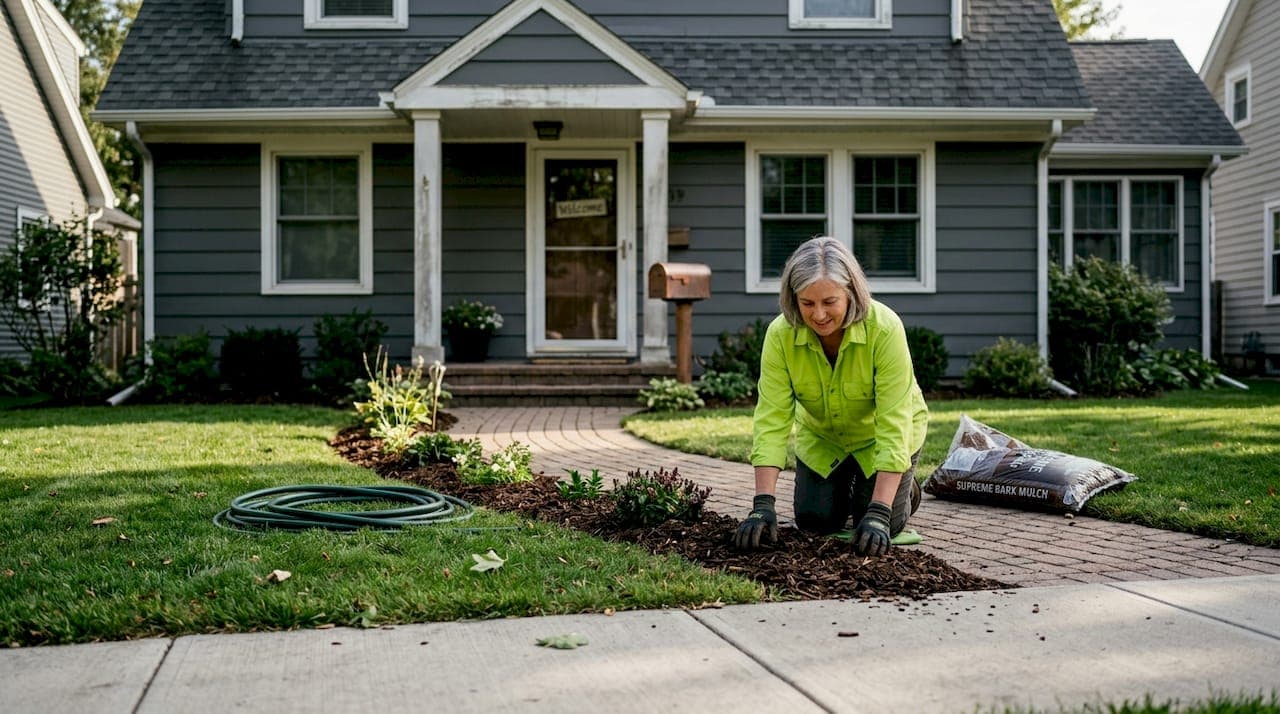
Most homeowners know that a tidy yard looks nice, but very few realize just how much money is actually on the table. Research from Virginia Tech shows that well-landscaped homes are perceived as 5.5 to 12.7% more valuable than comparable properties without quality landscaping. On a $350,000 home, that 12.7% premium translates to roughly $44,000 in added perceived value. This guide walks you through the real data behind curb appeal, the most common landscaping mistakes homeowners make, and the specific steps that deliver the biggest return for your investment right here in southern Maine and New Hampshire.
Table of Contents
- Why curb appeal matters: First impressions and real estate value
- The landscaping advantage: Data on value, ROI, and buyer perceptions
- Common landscaping mistakes that hurt curb appeal
- Best practices for landscaping: What actually improves curb appeal?
- A landscaping pro's take: What most curb appeal advice misses
- Transform your curb appeal with expert help
- Frequently asked questions
Key Takeaways
| Point | Details |
|---|---|
| Curb appeal drives value | Homes with great landscaping are seen as much more valuable by buyers. |
| Invest in basics first | Simple lawn care offers the highest return on investment in curb appeal. |
| Avoid common mistakes | Overplanting and neglecting the front yard often reduce a property’s attractiveness. |
| Focus on the front yard | Directing most of your landscaping budget to the front yard maximizes impact. |
Why curb appeal matters: First impressions and real estate value
You have about seven seconds. That is roughly how long it takes a potential buyer, a neighbor, or even a guest to form a strong opinion about your home. In those first moments, they are not looking at your kitchen countertops or your finished basement. They are looking at your lawn, your shrubs, your flower beds, and the overall feel of your front yard.
The psychology behind this is straightforward. A healthy lawn and edged beds signal that a homeowner takes care of their property. Neat mulch, trimmed shrubs, and defined edges communicate quality and attention to detail. Buyers and appraisers naturally assume that a well-maintained exterior reflects a well-maintained interior. The opposite is also true. A neglected yard, overgrown beds, and patchy grass raise red flags and can trigger value discounts that actually exceed what it would have cost to maintain the yard properly.
Here is what curb appeal directly influences:
- Perceived home value at first glance, before a buyer even steps inside
- Days on market, since homes with strong curb appeal tend to sell faster
- Neighborhood perception, which affects comparable sales and your own property value over time
- Buyer confidence, because a polished exterior builds trust before the front door opens
"Neglected exteriors can trigger value discounts that exceed the cost of proper maintenance. The math simply does not favor skipping lawn care." — Curb Appeal Research Summary
Understanding landscaping's impact on home value helps you see this not as an expense but as a protective investment. And if you are not ready for a full renovation, there are plenty of affordable backyard upgrades that make a real difference without breaking the bank.
The landscaping advantage: Data on value, ROI, and buyer perceptions
Now that you know why curb appeal matters, let's put numbers behind what works best in landscaping. The data here is genuinely encouraging, especially for homeowners who worry that landscaping is too expensive to be worth it.
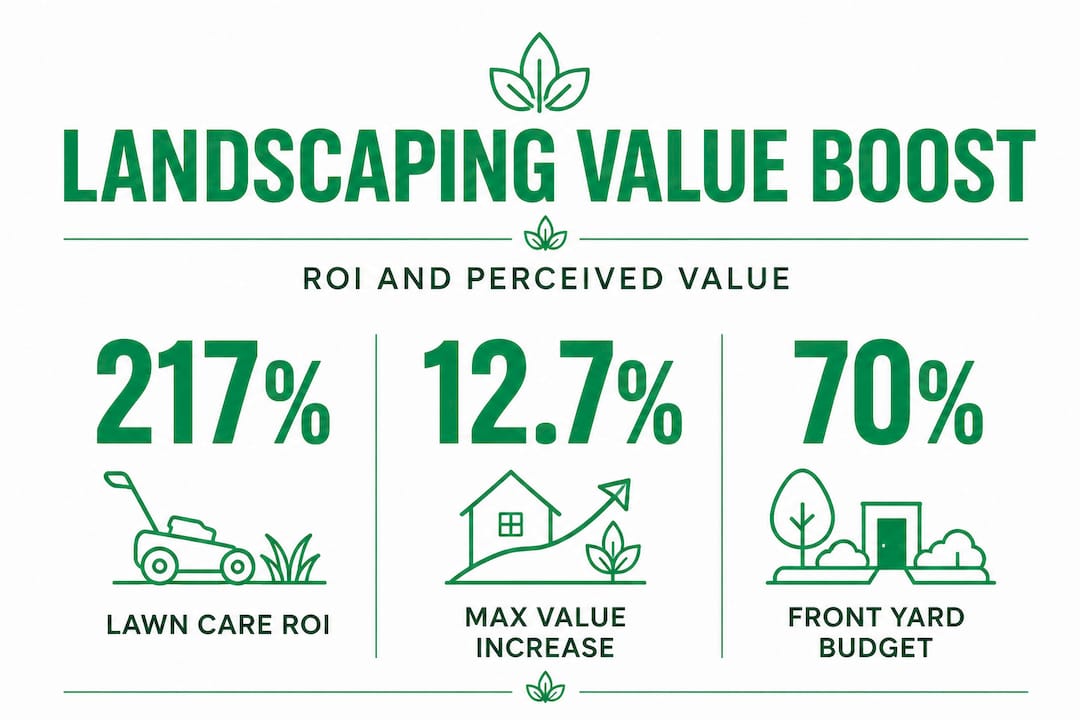
According to the National Association of Realtors, lawn care delivers a 217% ROI, making it one of the highest-returning home improvement projects available. That means for every dollar you spend on mowing, edging, and basic lawn maintenance, you recover more than two dollars in perceived value. That figure outpaces most kitchen updates, bathroom renovations, and even new flooring.
Here is a quick comparison of landscaping investments and their estimated returns:
| Landscaping investment | Estimated cost | Estimated value added | Approximate ROI |
|---|---|---|---|
| Basic lawn care (mowing, edging) | $500 to $1,500/year | $1,000 to $3,000+ | Up to 217% |
| Mulch installation | $200 to $800 | $500 to $1,500 | 150 to 200% |
| Shrub trimming and bed cleanup | $300 to $700 | $700 to $1,500 | 150 to 200% |
| Sophisticated landscape design | $3,000 to $10,000+ | Up to $44,000 on a $350k home | Up to 127% |
| Seasonal color plantings | $200 to $600 | $500 to $1,200 | 100 to 150% |
The pattern is clear. Sophisticated landscaping design can push perceived value up by as much as 12.7%, while even basic maintenance consistently delivers strong returns. The key takeaway is that you do not need to spend tens of thousands to see a meaningful improvement.
One important strategic note: prioritizing your front yard is where the money is. Experts recommend allocating 60 to 70% of your landscaping budget to the front of your home. The front yard is what buyers, appraisers, and neighbors actually see. It shapes every first impression. Spending equally on the backyard first is a common and costly mistake.
Pro Tip: If your budget is tight, start with the basics: mow regularly, edge your beds, pull weeds, and add a fresh layer of mulch. These four steps alone can dramatically refresh your home's appearance. Check out these budget landscaping ideas for more ways to stretch every dollar.
Common landscaping mistakes that hurt curb appeal
Understanding which aspects deliver value is only half the battle. Now let's highlight the pitfalls to dodge for maximizing your investment. Many homeowners invest real time and money into their yards but unknowingly make choices that actually reduce curb appeal rather than improve it.
Here is a comparison of common landscaping approaches and how they affect curb appeal:
| Approach | Effect on curb appeal | Why it matters |
|---|---|---|
| Overplanting shrubs and flowers | Negative: feels cluttered | Buyers perceive chaos, not care |
| Using plants out of scale for the home | Negative: looks awkward | Disrupts visual balance |
| Neglecting the front yard for the back | Negative: misses first impression | Front yard drives value perception |
| Grouping plants with repetition | Positive: feels intentional | Creates cohesion and design flow |
| Proper layering (tall back, short front) | Positive: adds depth | Looks professionally designed |
| Seasonal color near the entrance | Positive: draws the eye | Creates a welcoming focal point |
According to research from Better Homes and Gardens, the most common landscaping mistakes include overplanting, using plants that are the wrong scale for the house, skipping repetition and grouping, neglecting the front yard entirely, and poor layering. Each of these errors sends the wrong signal to buyers and visitors.
Here are the top five mistakes to avoid:
- Overplanting shrubs and perennials so they crowd each other and block sightlines to the home
- Choosing plants that grow too large for the space, eventually overwhelming windows and walkways
- Skipping the front yard in favor of elaborate backyard projects that buyers rarely see
- Planting without a clear design so beds look random rather than intentional
- Neglecting regular maintenance so even a good design deteriorates over time
Pro Tip: When planting near your foundation, always check the mature size of the plant, not just how it looks at the nursery. A shrub that looks perfect at two feet can block your windows entirely within five years.
Sustainable choices also play a role here. Native plants suited to Maine and New Hampshire climates require less maintenance, hold up better through harsh winters, and look naturally at home in the landscape. Explore sustainable landscaping ideas to see how smart plant selection can save you money and effort long term.
Best practices for landscaping: What actually improves curb appeal?
Having explored what to avoid, let's focus on proven steps you can use for an immediate lift in curb appeal. These are not complicated or expensive. They are the fundamentals that professional landscapers rely on to make a property look its best, season after season.
Remember that healthy lawn and edged beds are the foundation of strong curb appeal. Everything else builds on top of that base. Here is what you should prioritize:
- Mow consistently and at the right height for your grass type. Cutting too short stresses the lawn and creates bare patches.
- Edge your beds and walkways every time you mow. Clean lines signal precision and care more than almost anything else.
- Apply fresh mulch at least once a year. Two to three inches of mulch retains moisture, suppresses weeds, and gives beds a clean, finished look.
- Group plants in odd numbers (threes and fives) for a natural, intentional appearance. Single plants scattered randomly look unplanned.
- Layer your plantings with taller shrubs at the back and lower plants or groundcovers in front. This creates depth and visual interest.
- Choose plants suited to your region. In southern Maine and New Hampshire, that means cold-hardy varieties that can handle Zone 5 and Zone 6 winters without constant replacement.
- Keep your entrance clear and welcoming. Trim anything that crowds your walkway or front door. Add a seasonal planter or two near the entrance for color.
Your front yard should receive 60 to 70% of your landscaping attention and budget. That is where your return on investment lives. Once the front is polished, you can gradually improve side yards and backyard spaces.
For more specific ideas on a budget, these budget-friendly landscaping tips are a great starting point. If you are thinking bigger, consider how outdoor living upgrades can add function and value at the same time. And since we live in a region with dramatic seasonal shifts, reviewing seasonal curb appeal tips for the Seacoast area will help you stay ahead of what each season demands.
Pro Tip: Power washing your driveway, walkways, and home exterior after your spring cleanup makes a huge visual difference. Clean hardscaping makes even modest landscaping look sharp and well-maintained.
A landscaping pro's take: What most curb appeal advice misses
Most curb appeal guides give you solid, reliable advice. Mow your lawn. Add mulch. Plant some flowers. And honestly, that advice works. But after working on properties across South Berwick, Dover, Eliot, and Rollinsford, we have noticed a few important things that most articles skip entirely.
The biggest one is trees. Almost every curb appeal guide tells you that trees add value. And in many cases, that is true. Research from Virginia Tech confirms that nearby trees boost value through shade and aesthetics. But the same research highlights an important distinction: trees planted directly on the property, especially close to the house, can actually decrease value due to maintenance demands, root damage risks, and safety concerns. A massive oak overhanging your roof is not an asset to most buyers. It is a liability.
The second thing most guides miss is the danger of overdoing it. We see this regularly. A homeowner gets enthusiastic, plants densely, adds decorative elements everywhere, and ends up with a yard that feels overwhelming rather than welcoming. True curb appeal is about balance. The goal is a yard that looks cared for and intentional, not one that looks like it is trying too hard. Restraint is a design skill, and it is harder than it sounds.
The third gap in most advice is the importance of professional eyes on your specific property. Generic tips are helpful, but every home has its own proportions, light conditions, soil type, and existing features. What works beautifully on a ranch-style home in Rollinsford may look completely wrong on a two-story colonial in South Berwick. Tailored guidance makes a real difference, and it often saves homeowners from expensive mistakes.
Staying current with emerging landscaping trends is also worth your time. The industry is evolving quickly, and some newer approaches to plant selection, bed design, and hardscaping can give your property a fresh, modern look without a complete overhaul.
Transform your curb appeal with expert help
You now have a clear picture of what makes landscaping work, what to avoid, and where to focus your energy. The next step is putting that knowledge into action on your actual property.

At Exterior Etcetera, we work with homeowners across South Berwick, Dover, Eliot, Rollinsford, and the surrounding Seacoast area to create yards that genuinely improve curb appeal and property value. Whether you need professional lawn care to get your yard back on track, a full seasonal cleanup, or a fresh mulch installation to polish your beds, we make the process easy and stress-free. Our landscaping services are tailored to your home's specific needs, not a one-size-fits-all package. We also offer power washing services to clean up your hardscaping and make your entire exterior shine. Request a free estimate today and let's build a plan that works for your home and your budget.
Frequently asked questions
What landscaping projects offer the highest return on investment?
Simple maintenance like lawn care, edging, and mulching yield up to a 217% ROI, outpacing most other exterior upgrades and even many interior renovations.
How much should I budget for front yard landscaping compared to the back?
Experts recommend allocating 60 to 70% of your budget to the front yard, since that is where first impressions and the greatest value gains happen.
Can mature trees ever hurt my home's value?
Yes, trees planted too close to a home can create maintenance and safety risks that decrease property value, even though trees in the broader neighborhood generally boost it.
What's the fastest way to improve curb appeal on a budget?
Mowing, edging, pulling weeds, and adding fresh mulch are quick, affordable steps that signal quality and care to buyers and visitors almost immediately.
Recommended
- Will Landscaping Increase the Value of My Home? A Comprehensive Guide — Exterior Etcetera, LLC
- 29 Cheap & Easy Backyard Upgrades | Landscaping & Lawn Care Tips — Exterior Etcetera, LLC
- Landscaping Blog & Power Washing Blog | Blogs — Exterior Etcetera, LLC
- Expert Landscaping, Power Washing & Junk Removal Services | Exterior Etcetera<br/><br/> — Exterior Etcetera, LLC