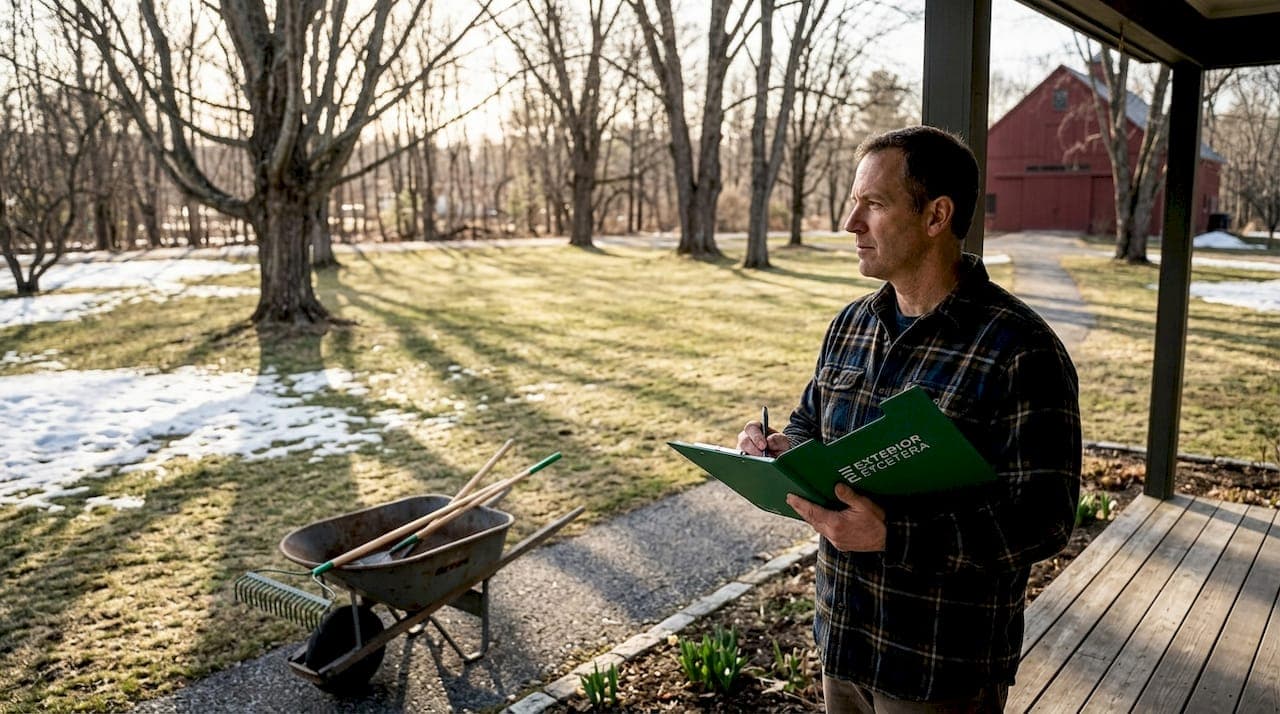
Maine winters don't play nice with your yard. Between heavy snow loads, road salt spray, and the freeze-thaw cycles that South Berwick homeowners know all too well, keeping a landscape looking sharp takes more than a quick spring cleanup. A well-organized landscaping maintenance checklist takes the guesswork out of the process, helps you stay ahead of seasonal damage, and keeps your property looking its best from January through December. Whether you're protecting your investment or simply want your home to stand out on the street, this guide gives you the practical, locally relevant steps to make it happen.
Table of Contents
- How to build your landscaping maintenance checklist
- Monthly and seasonal landscaping tasks
- Damage control: Identifying and treating common Maine hazards
- Curb appeal checklist: Small upgrades for big impact
- What most homeowners overlook about Maine landscaping
- Need help? Local landscaping experts in South Berwick, ME
- Frequently asked questions
Key Takeaways
| Point | Details |
|---|---|
| Seasonal task planning | Organizing your landscaping checklist by month helps avoid missed steps and keeps your yard thriving. |
| Check for common hazards | Regularly inspect for snow mold, voles, and salt damage that are prevalent in Maine. |
| Upgrade for curb appeal | Simple improvements like mulch, edges, and turf restoration make the biggest impact on property value. |
| Emphasize soil health | Prioritize integrated pest management and soil-friendly practices over harsh chemicals. |
| Consider local expertise | Professional landscaping services in South Berwick can handle complex tasks and maximize your investment. |
How to build your landscaping maintenance checklist
Having set the stage for why curb appeal matters, let's break down how to organize your own checklist. The biggest mistake most homeowners make is treating landscaping as a one-time project rather than an ongoing routine. A checklist solves that by turning big, overwhelming tasks into manageable steps you can track and repeat.
South Berwick sits in a climate zone that throws real curveballs. You get cold, snowy winters, wet springs, warm summers, and vibrant but brief falls. Each season brings specific risks and opportunities for your yard. A checklist that works for a homeowner in Georgia simply won't cut it here. Your checklist needs to reflect Maine's realities.
The core elements of a strong landscaping checklist include:
- Pruning trees and shrubs during the dormant season (late winter or early spring) to encourage healthy growth
- Mulching garden beds annually to retain moisture, suppress weeds, and protect roots from temperature swings
- Pest and damage inspections for vole activity, salt damage near roads and walkways, and snow mold after snowmelt
- Tool maintenance to keep blades sharp and equipment clean so every task gets done efficiently
- Lawn care tasks like edging, overseeding, fertilizing, and aeration scheduled at the right times of year
According to ongoing monthly tips for Berwick, ME, the best practice is to prune trees and shrubs during the dormant season, mulch beds annually, inspect for vole and salt damage, and keep tools sharp and clean. These aren't optional extras. They're the foundation of a healthy Maine landscape.
Pro Tip: Build your checklist in a simple spreadsheet or phone notes app. Add a column for "done" and a column for "notes." This makes it easy to spot patterns, like a shrub that needs extra attention every spring, and plan ahead.
For a solid starting point, check out our landscaping care overview and browse easy backyard upgrades that won't break the bank.
Monthly and seasonal landscaping tasks
With your checklist framework in hand, it's time to explore the specific tasks and when to tackle them. Timing matters enormously in Maine. Doing the right task at the wrong time can actually cause more harm than skipping it entirely.
Here's a numbered breakdown of the most important recurring tasks:
- Late winter (February to March): Prune dormant trees and shrubs before new growth starts. Remove any broken or crossing branches. Check for winter damage on evergreens.
- Early spring (April): Rake out dead grass and debris. Apply pre-emergent weed control if needed. Inspect for snow mold and vole tunnels.
- Mid-spring (May): Mulch all garden beds with 2 to 3 inches of fresh material. Edge beds and walkways. Overseed bare or thin lawn areas.
- Early summer (June): Begin regular mowing, keeping grass at 3 to 3.5 inches tall. Fertilize lawn with a slow-release product. Deadhead flowering plants to encourage reblooming.
- Midsummer (July to August): Water deeply but infrequently to encourage deep root growth. Check for pest activity and treat early. Trim hedges and shrubs for shape.
- Early fall (September): Aerate and overseed the lawn. Apply a fall fertilizer to strengthen roots before winter. Plant spring-blooming bulbs.
- Late fall (October to November): Cut grass slightly shorter for the final mow. Remove fallen leaves to prevent smothering turf. Prepare beds with a light layer of mulch for winter insulation.
- Winter (December to January): Avoid walking on frozen turf. Protect sensitive shrubs with burlap. Review your checklist and plan for the upcoming season.
| Season | Priority task | Why it matters |
|---|---|---|
| Late winter | Dormant pruning | Promotes strong spring growth |
| Spring | Mulching and edging | Moisture retention and clean appearance |
| Summer | Mowing and watering | Healthy turf density |
| Fall | Aeration and overseeding | Root strengthening before frost |
| Winter | Protection and planning | Prevents cold damage |
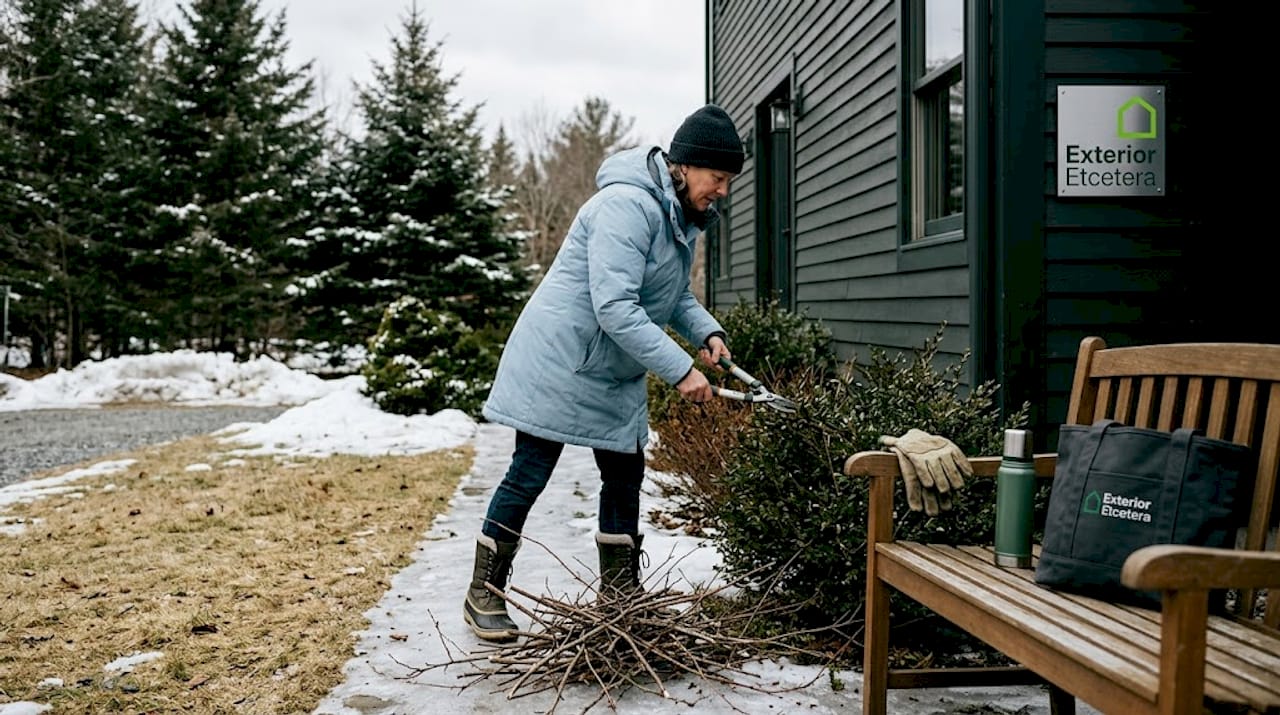
UMaine lawn tips offer detailed guidance on fertilizing schedules and grass selection that's specific to Maine's soil and climate conditions. Following these recommendations means your lawn gets the right nutrients at the right time, not just a generic treatment.
Pro Tip: When winterizing your landscape, don't skip mulching around the base of trees and shrubs. A 3-inch layer of mulch acts as insulation and reduces frost heave, which can damage roots and shift plantings over time.
You can also explore sustainable maintenance tips to reduce water use, cut chemical inputs, and create a yard that's easier to care for season after season.
Damage control: Identifying and treating common Maine hazards
Routine tasks are only part of the equation. It's essential to address Maine's unique seasonal hazards head-on. South Berwick homeowners face three recurring threats that can quietly undo months of careful work if left unchecked.
Snow mold is a fungal disease that develops under snow cover during late winter. It shows up as circular, matted patches of gray or pink discolored grass after snowmelt. Gray snow mold is less severe and usually resolves on its own with raking and airflow. Pink snow mold is more aggressive and may require a fungicide treatment. The best prevention is proper fall cleanup, shorter final mowing height, and avoiding excessive nitrogen fertilizer in late fall.
Voles are small rodents that tunnel under snow and chew through grass roots and bark near the base of trees. You'll notice their damage in spring as winding surface tunnels or gnawed bark at the base of young trees. Prevention includes keeping grass mowed short in fall, removing heavy mulch from directly against tree trunks, and using hardware cloth guards around vulnerable plants.
Salt damage from road treatments and sidewalk de-icers is a real problem for lawns and shrubs near driveways and streets. Salt draws moisture out of plant tissue and raises soil sodium levels, leading to brown, scorched-looking grass and foliage. Flushing affected areas with water in early spring helps dilute salt concentrations. Switching to calcium chloride or sand-based products instead of sodium chloride also reduces long-term soil damage.
| Hazard | Warning signs | Best fix |
|---|---|---|
| Snow mold | Matted, discolored grass patches | Rake, aerate, improve airflow |
| Vole damage | Surface tunnels, gnawed bark | Hardware cloth, fall cleanup |
| Salt damage | Brown edges, poor spring growth | Flush with water, switch de-icer |
"UMaine Extension emphasizes integrated pest management (IPM) and soil health over chemical treatments. A healthy, well-maintained soil ecosystem is your best long-term defense against pests and disease." UMaine Extension Lawns
IPM means using the least invasive approach first. Start with cultural controls like proper mowing, watering, and soil testing before reaching for pesticides. Healthy soil grows healthy grass, and healthy grass resists pests and disease naturally.
Wondering how all this maintenance connects to your home's long-term worth? Our post on landscaping and home value breaks down the numbers and shows exactly how a well-kept yard translates into real dollars at resale.
Curb appeal checklist: Small upgrades for big impact
Now that you've addressed hazards, here's how small improvements can dramatically boost your landscape's visual appeal and value. You don't need a full renovation to make a big difference. Strategic, focused upgrades often deliver the most noticeable results for the least effort and cost.
For curb appeal in South Berwick, clean edges, fresh mulch, and healthy turf are the first impression drivers that shape how visitors and potential buyers perceive your property. Here's your curb appeal checklist:
- Edge all beds and walkways at least twice per season. Clean lines instantly make a yard look intentional and well-maintained.
- Refresh mulch annually. Old mulch breaks down and fades. A fresh 2 to 3 inch layer in spring makes beds look polished and keeps weeds down.
- Overseed thin or bare spots in the lawn every fall. A dense, even turf is the single most impactful visual element in most front yards.
- Add seasonal color with flowering annuals in containers or beds near the front door. Even two or three well-placed pots can transform an entry.
- Trim shrubs and hedges to maintain clean, intentional shapes. Overgrown shrubs make even a tidy yard look neglected.
- Power wash driveways and walkways to remove stains, moss, and grime that accumulate over winter.
- Repair or replace edging materials like stone borders or plastic edging that have shifted or cracked over winter.
| Upgrade | Effort level | Visual impact |
|---|---|---|
| Fresh mulch | Low | High |
| Bed edging | Low | High |
| Lawn overseeding | Medium | High |
| Seasonal containers | Low | Medium to high |
| Shrub trimming | Medium | Medium |
| Walkway power washing | Low | Medium |
These are the kinds of upgrades that take an afternoon but make your home look like it's been professionally maintained all year. If you want to take things further, explore ideas for enhancing outdoor spaces like fire pits and outdoor living areas that add both function and visual appeal.
What most homeowners overlook about Maine landscaping
Here's an honest take from years of working with South Berwick homeowners: most people follow a generic landscaping routine they found online, and it fails them. Not because they're doing anything wrong exactly, but because the advice wasn't written for Maine.
Generic routines treat pruning, fertilizing, and mulching as universal tasks with universal timing. In Maine, the timing is everything. Pruning too late in spring can cut off new growth. Fertilizing too early before the ground is ready wastes product and can even damage roots. Mulching too deep or too close to tree trunks creates the exact conditions voles love. These aren't small errors. Over time, they add up to a yard that looks tired and costs more to fix.
The hidden cost of ignoring local pests and soil health is real. UMaine Extension's IPM approach is built around the idea that a chemically dependent lawn is a fragile lawn. We see this play out constantly. Homeowners who skip soil testing and just throw fertilizer at their grass end up with pH imbalances that lock out nutrients and invite weeds. A simple soil test every two to three years costs very little and tells you exactly what your yard needs.
The other thing most homeowners overlook is the difference between maintenance thinking and investment thinking. Maintenance thinking asks, "What do I need to do to keep things from dying?" Investment thinking asks, "What can I do to make this yard more valuable and enjoyable?" Those two questions lead to very different decisions. Staying current with emerging landscaping trends and sustainable practices helps you make smarter choices that pay off over time, both in curb appeal and in reduced maintenance costs.
The yards that consistently look great in South Berwick aren't the ones with the biggest budgets. They're the ones with consistent, locally adapted routines and an eye for the details that actually matter.
Need help? Local landscaping experts in South Berwick, ME
Keeping up with a full landscaping checklist is genuinely satisfying when you have the time and energy for it. But life gets busy, and some tasks really do benefit from a professional touch.

At Exterior Etcetera, we specialize in exactly the kind of work that makes the biggest difference for South Berwick homeowners. From mulch installation and shrub trimming to seasonal cleanups and full yard renovations, our professional landscaping services are built around what Maine properties actually need. We also offer power washing services to refresh driveways, walkways, and siding after a long winter. Whether you need a one-time refresh or a recurring maintenance plan, we make it easy to get a fast estimate and get your yard looking its best. Visit Exterior Etcetera to learn more and book your service today.
Frequently asked questions
What tasks should be included in a Maine landscaping maintenance checklist?
Essential tasks include seasonal pruning, annual mulching, pest and salt damage inspections, tool maintenance, and lawn care. Following local monthly tips for Berwick, ME ensures your checklist reflects the specific timing and conditions of Maine's climate.
How do I prevent snow mold and salt damage to my lawn in South Berwick?
Keep your lawn aerated, clean up dead material each fall, and use soil-friendly de-icing products. UMaine Extension's IPM guidance recommends prioritizing soil health over chemical treatments for long-term lawn resilience.
When should I mulch and prune in Maine's climate?
Prune trees and shrubs in late winter or early spring during the dormant season, and mulch beds annually before the growing season begins. These timing recommendations help prevent frost damage and encourage strong new growth.
How can landscaping upgrades improve my home's value?
Clean edges, healthy turf, and refreshed mulch instantly boost curb appeal and how buyers or visitors perceive your property. Even small, consistent upgrades focused on first impression details can meaningfully increase your home's perceived and actual market value.
Recommended
- Preparing Your Property for Winter in the Seacoast Area: A Complete Homeowner's Guide — Exterior Etcetera, LLC
- Landscaping Services Near Me | Powerwash In South Berwick, ME
- Will Landscaping Increase the Value of My Home? A Comprehensive Guide — Exterior Etcetera, LLC
- Outdoor Fire Pits and Kitchens: Why Fall is the Perfect Time to Build — Exterior Etcetera, LLC